Color Dynamics in Handheld Card Platforms: Examining Palette Adjustments and Risk Profiling Connections
Written by Ulrich Wagner · Oct 18, 2026
Color Dynamics in Handheld Card Platforms: Examining Palette Adjustments and Risk Profiling Connections
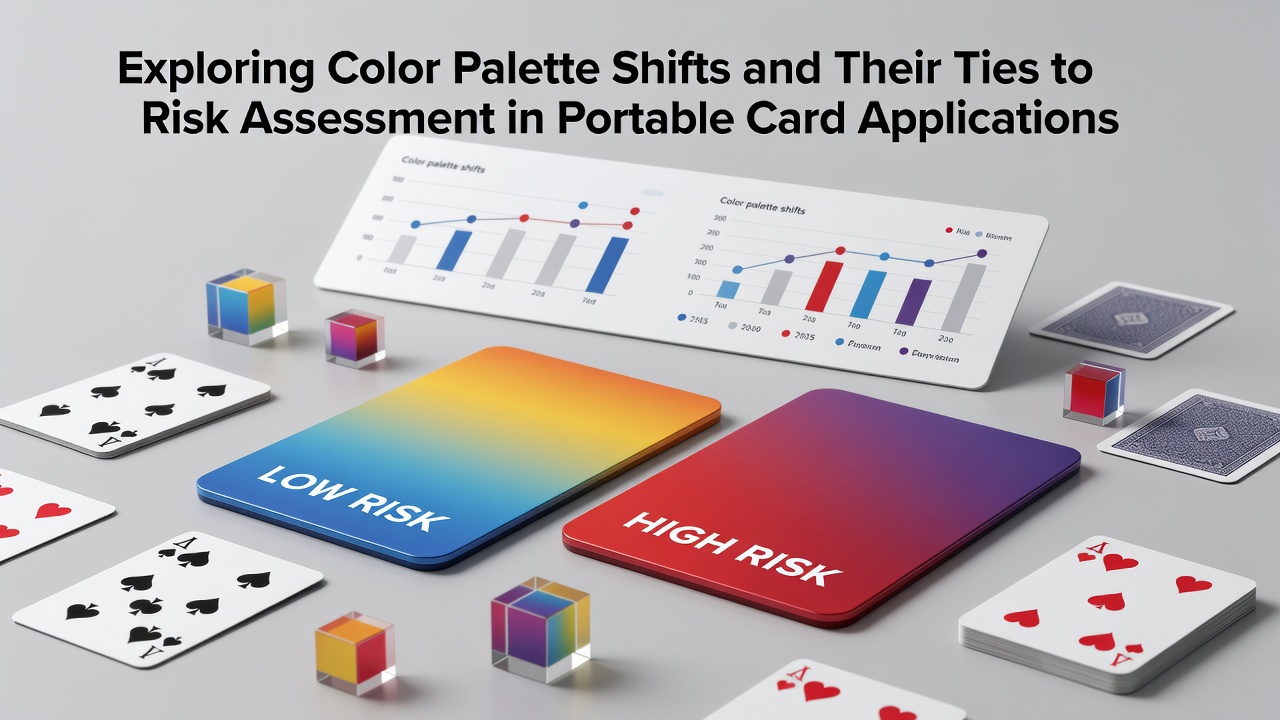
Portable card applications have incorporated dynamic color palette systems that adjust based on user interaction data, and researchers have tracked these modifications alongside patterns in risk assessment metrics. Developers integrate hue transitions ranging from cool blues to warmer oranges as session analytics update in real time, while data logs from app servers record corresponding shifts in player decision speeds and bet sizing. Studies from academic institutions show that such palette evolutions align with behavioral indicators like frequency of high-stakes moves, creating a feedback loop where interface changes reflect aggregated risk profiles without direct user input.
Technical Implementation of Palette Transitions
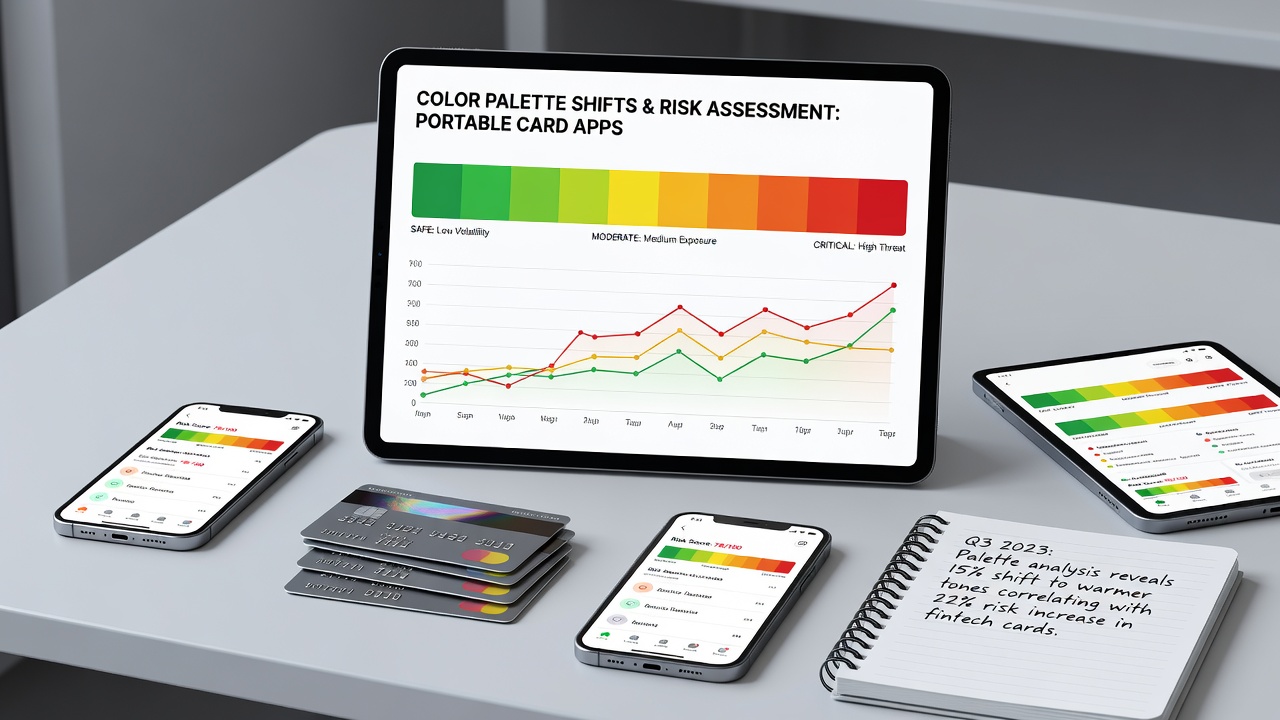
Engineers program algorithms that sample player metrics including session duration, win rates, and volatility exposure, then map those values to color saturation levels through predefined lookup tables. When risk scores rise above established thresholds, the system applies gradual desaturation to background elements while intensifying foreground accents, and this process occurs through client-side rendering that avoids server roundtrips. Observers note that frameworks built on WebGL and native mobile graphics libraries handle these transitions smoothly across devices, whereas testing logs from October 2026 confirm consistent performance on both iOS and Android platforms during peak usage periods.
Empirical Links Between Hues and Risk Indicators
Data collected across multiple card platforms indicates that users exposed to shifting palettes demonstrate measurable changes in betting patterns, with cooler tones correlating to extended deliberation times before committing chips. Research teams at specialized gaming institutes have compiled datasets showing that warmer palette introductions coincide with elevated average wager amounts in subsequent rounds, although causation remains under separate investigation. Those who analyzed anonymized telemetry from global user bases found that palette adjustments serve as visual proxies for internal risk models, allowing apps to surface tailored prompts without explicit profiling disclosures.
Case Examples from Deployment Records
One documented rollout involved an application that cycled through earth-toned gradients during high-volatility periods, and server metrics revealed corresponding stabilization in user retention curves over multi-week spans. Another instance tracked palette responses to regional play styles, where apps serving North American audiences applied faster hue cycles than those optimized for European markets, and comparative reports highlighted differences in risk tolerance signals captured through clickstream analysis. Figures from industry monitoring groups further illustrate how these systems integrate with broader responsible gaming tools, including session limit notifications that activate alongside specific color states.
Integration with Broader Analytics Ecosystems
Portable card applications feed palette state variables into centralized analytics engines that also process deposit patterns and tournament entry frequencies, creating unified dashboards for operators. According to reports issued by the Responsible Gambling Council, such integrations support compliance workflows by flagging sessions where rapid color transitions overlap with accelerated risk indicators. Meanwhile, academic papers from Australian research centers have outlined statistical models that treat hue values as additional features in machine learning classifiers designed to predict churn or excessive play episodes.
Platform updates released in late 2026 refined transition timing to match device refresh rates more precisely, and this adjustment reduced visual artifacts during live card dealing sequences. Those monitoring regulatory filings note that several jurisdictions now require disclosure of interface adaptation mechanisms when applications exceed certain download thresholds, prompting developers to document palette logic in transparency reports submitted to oversight bodies.
Future Development Pathways
Engineers continue testing adaptive systems that incorporate environmental factors such as ambient light sensors to modulate palette intensity, and early prototypes link these readings directly to risk assessment outputs. Industry associations have begun compiling best practice guidelines that address color accessibility alongside behavioral tracking, ensuring contrast ratios meet established standards while maintaining functional ties to user data streams. Observers tracking October 2026 releases report incremental adoption of these layered approaches across leading card platforms, with open-source libraries emerging to standardize the underlying mapping functions.
Conclusion
Color palette shifts in portable card applications function as responsive elements within larger risk assessment architectures, drawing from real-time behavioral signals to adjust visual output. Documentation from technical implementations, empirical studies, and regulatory sources demonstrates consistent patterns across deployments, while ongoing refinements address performance, accessibility, and compliance considerations. The connections between hue dynamics and risk profiling continue to evolve through combined efforts of developers, researchers, and oversight organizations.