Distinguishing Novice and Expert Play Through Pattern Analysis in Digital Poker
Written by Morgan Koch · Nov 15, 2026
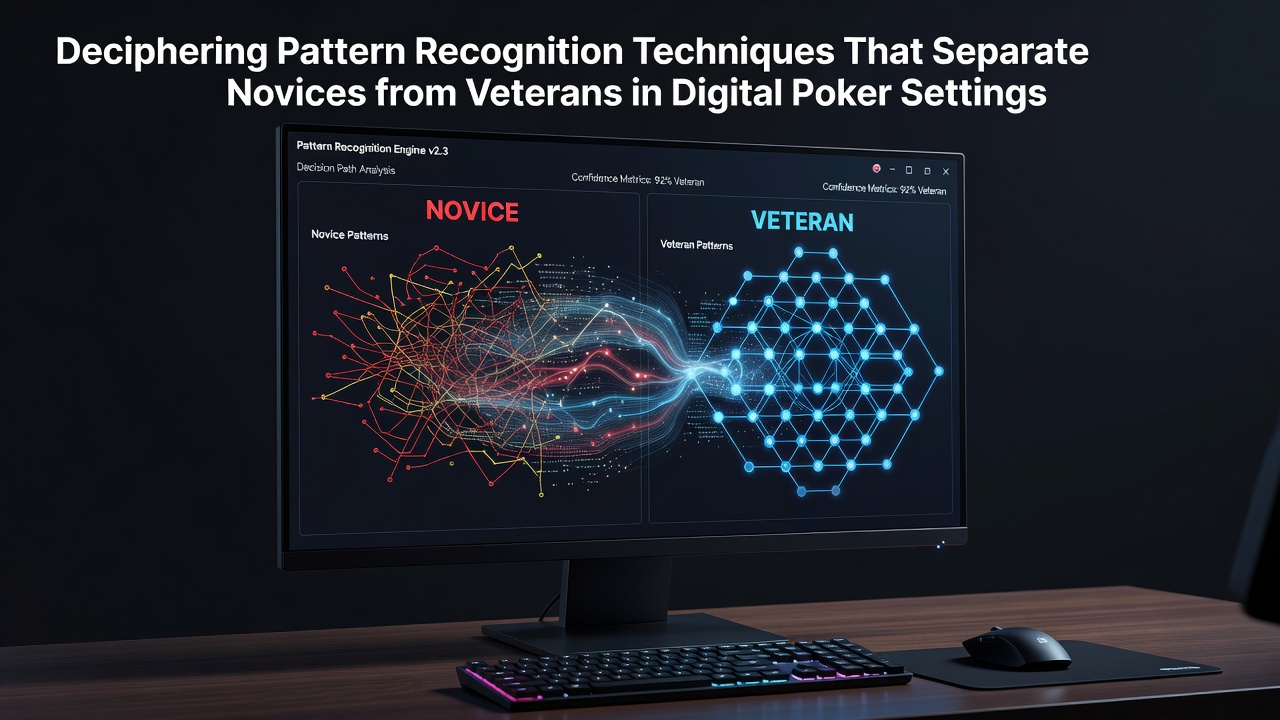
Distinguishing Novice and Expert Play Through Pattern Analysis in Digital Poker
Digital poker platforms generate extensive data streams that allow observers to track behavioral indicators separating less experienced participants from those with greater exposure, and researchers have documented consistent differences in how these groups approach decision sequences during sessions.
Core Indicators in Betting Sequences
Novices often display irregular bet sizing relative to pot odds while veterans maintain tighter correlations between hand strength and wager amounts across multiple rounds, yet data from platform analytics reveals that veterans adjust these patterns dynamically when facing repeated opponents in the same environment. Observers note that timing intervals between actions provide another layer of distinction because novices tend toward longer pauses on marginal holdings whereas veterans execute faster decisions on both strong and weak hands due to pre-established decision frameworks developed through repeated exposure.
Hand Selection and Positional Awareness
Pattern recognition extends to starting hand distributions where novices play wider ranges from early positions and veterans tighten selections based on table dynamics and opponent tendencies recorded over prior hands. Studies tracking session logs show veterans fold marginal holdings more consistently when out of position while novices continue with similar frequencies regardless of seating arrangement. Those who've examined large datasets from major sites indicate that veterans incorporate fold equity calculations more frequently in post-flop scenarios whereas novices rely on absolute hand values without adjusting for opponent ranges.

Bluff Frequency and Adjustment Mechanisms
Bluff rates represent another measurable divide because novices apply bluffs at inconsistent intervals that fail to account for board texture changes whereas veterans calibrate frequencies according to prior opponent reactions logged in memory or tracking tools. Research indicates veterans recognize when an opponent has adjusted to their patterns and shift strategies mid-session while novices maintain static approaches even after clear counter-adjustments occur. According to reports from the Nevada Gaming Control Board on online gaming trends, player engagement metrics in regulated markets highlight how experienced participants sustain longer sessions by varying aggression levels based on accumulated data from individual tables.
Technological Aids and Observational Tools
Many platforms integrate optional tracking features that veterans utilize to log opponent statistics over thousands of hands while novices often ignore or underutilize these resources during play. External analysis from academic sources such as the University of Sydney's gambling research unit has examined how these tools influence decision accuracy across skill levels in simulated environments. Veterans integrate statistical overlays into real-time choices whereas novices treat such information as secondary or overlook correlations between historical data and current action sequences.
November 2026 Platform Developments
Updates rolled out across several digital poker networks in November 2026 introduced enhanced hand history exports that facilitate deeper pattern review after sessions conclude, and operators reported increased usage of these features among participants with established track records. These modifications allow for more precise identification of recurring tendencies like check-raise frequencies on specific board types that distinguish experience levels without requiring manual note-taking during active play.
Conclusion
Platform data combined with observational studies continues to map the specific behavioral markers that separate groups based on accumulated experience in digital poker, and regulatory bodies alongside research institutions track how these patterns evolve with new interface features and player tools. The distinctions appear in multiple dimensions including wager sizing, timing, and range construction, each offering measurable signals that accumulate over repeated interactions across different game formats.