Regulatory Announcements Prompt Platform Shifts Among Worldwide Card Gaming Participants
Written by Amir Albrecht · Sep 6, 2026

Regulatory Announcements Prompt Platform Shifts Among Worldwide Card Gaming Participants
Data from international gaming oversight bodies shows that real-time regulatory updates frequently coincide with measurable changes in how dedicated card enthusiasts distribute their activity across different platforms and jurisdictions, and these patterns emerge consistently because participants seek uninterrupted access while adapting to new compliance requirements. Observers note that when one region introduces fresh restrictions or licensing adjustments, activity levels on certain platforms decline in that area yet rise on alternatives that operate under different rules, creating measurable cross-border and cross-device movements.
Regional Policy Changes and Participation Redistribution
Figures from the Alcohol and Gaming Commission of Ontario reveal that following a series of licensing clarifications issued in mid-2026, participation metrics on select mobile applications dropped by double-digit percentages within weeks, while desktop and browser-based alternatives hosted in neighboring provinces recorded corresponding gains. Researchers tracking these movements found that enthusiasts often maintained their preferred game formats but migrated sessions to platforms with established regulatory approval in other areas, and this redistribution occurred without significant overall decline in total engagement hours.
Similar dynamics appeared in Australia where the Australian Communications and Media Authority released updated compliance guidelines in late August 2026, prompting analysts to document shifts toward platforms with pre-existing international licensing arrangements. Those who monitored user behavior across September 2026 reported increased activity on multi-jurisdictional networks that allowed seamless transitions between devices, whereas single-platform operators experienced temporary dips until they secured additional certifications.
Cross-Platform Mobility Patterns
Studies conducted by academic teams at major research institutions indicate that card enthusiasts maintain accounts on an average of three to four distinct platforms simultaneously, and this practice accelerates whenever regulatory news breaks in real time. Data indicates that mobile-first users tend to pivot toward browser-accessible options when app-store restrictions tighten, whereas desktop-heavy participants explore cloud-based solutions that support quick geographic rerouting of sessions.
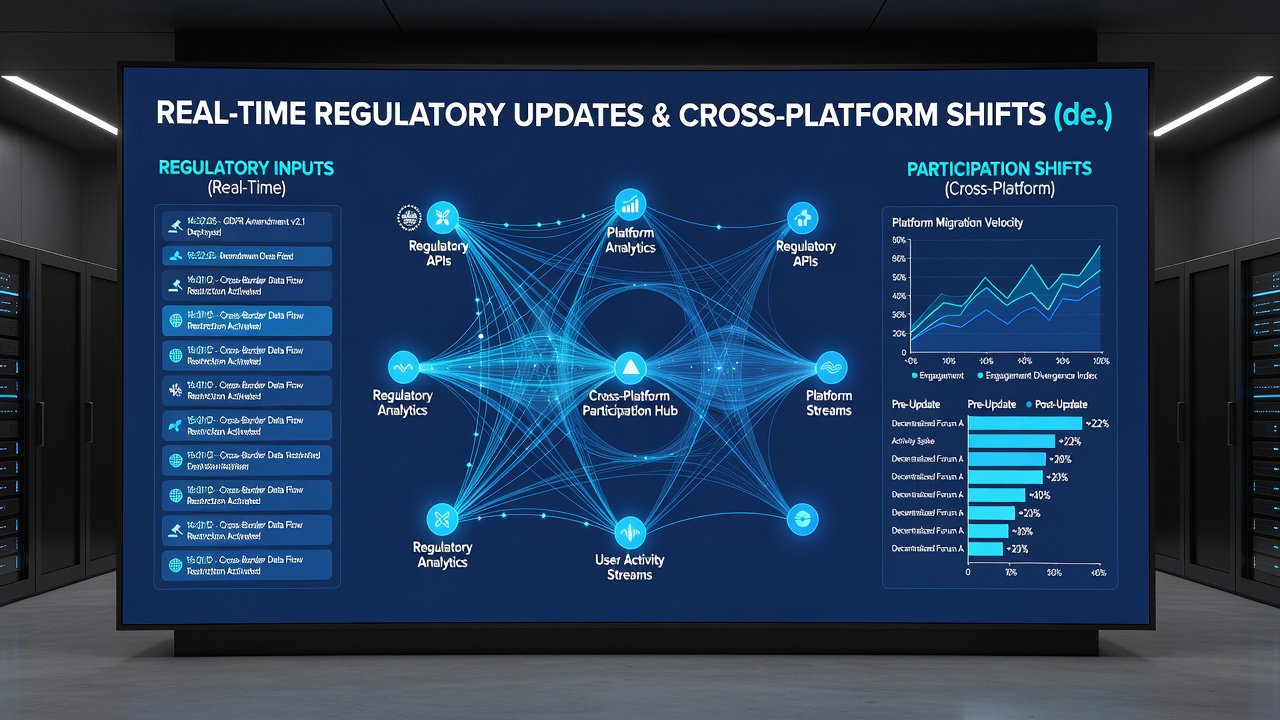
One analysis of transaction logs from September 2026 highlighted that enthusiasts completed more session transfers between devices during weeks when regulatory announcements occurred compared with quieter periods, and the average transfer time shortened as platforms improved their account synchronization features. Those tracking these movements note that participants rarely abandon specific game variants entirely; instead they relocate existing play patterns to whichever interface satisfies the newest compliance standards in their primary location.
Data Correlations Across Jurisdictions
Evidence compiled by multiple oversight agencies demonstrates that participation spikes on newly licensed platforms often follow regulatory tightening elsewhere, and these spikes stabilize once the updated rules become standard practice. In North American markets, for example, operators that secured early approvals for expanded features attracted users from regions still finalizing their frameworks, creating temporary but predictable redistribution cycles.
European data sources outside the United Kingdom further confirm that when one member state adjusts its online gaming statutes, enthusiasts in adjacent countries frequently increase activity on pan-European platforms that already meet the stricter criteria. Researchers emphasize that these shifts reflect strategic adaptation rather than net loss, since total hours spent on card gaming remain stable or increase as more platforms achieve compliance.
Conclusion
Comprehensive tracking of regulatory timelines against participation metrics shows clear linkages between policy announcements and cross-platform redistribution among card enthusiasts, and these connections persist across continents because participants prioritize continuity of access. Continued monitoring through late 2026 will likely reveal whether these patterns intensify as additional jurisdictions finalize their frameworks, yet current figures already establish that real-time updates serve as reliable predictors of mobility between platforms rather than outright reductions in engagement.